
"cat feces"
700 article(s) found

Introduction to the description and treatment of taste and flavor in producing areas of civet coffee
Kopi Luwak is produced by the feces of Indonesian coconut cats (a kind of civet) as raw materials, so it is called Kopi Luwak. This kind of animal mainly feeds on coffee beans. After completing fermentation in the coconut cat's stomach, it destroys proteins, produces short peptides and more free amino acids, reduces the bitterness of coffee, and then excretes feces as the main raw material. Because coffee beans cannot be digested, they will be
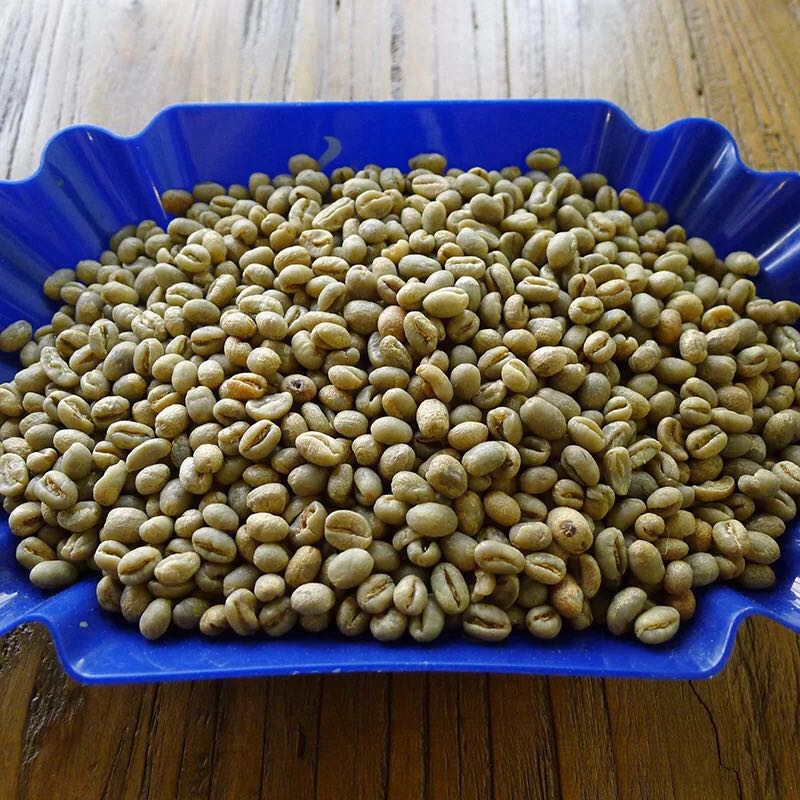
How much is Kopi Luwak? the origin of Kopi Luwak Indonesia Kopi Luwak
Civet Coffee (Kopi Luwak), native to Indonesia. It is one of the most expensive coffee in the world, with a price of several hundred dollars per pound. It is extracted from the feces of the civet and processed. The civet eats the ripe coffee fruit and is excreted through the digestive system. After it is fermented through the stomach, the coffee produced has a special taste and has become a grab in the international market.

Introduction to the producing area of Coffee Bean Flavor description Grinding Calibration method
The coffee comes from the excrement of an animal called the civet (commonly known as the civet in Indonesia). Although it comes from smelly poop, it is full of sweetness and a burst of indescribable sweetness. This wild musk cat likes to eat fat, pulpy coffee fruit, but the hard hard nut (raw bean) cannot be digested. It is excreted with feces and becomes Kop after cleaning.

The latest quotation and information of boutique coffee beans and civet coffee
Kopi Luwak is produced by the feces of Indonesian coconut cats (a kind of civet) as raw materials, so it is called Kopi Luwak. This kind of animal mainly feeds on coffee beans. After completing fermentation in the coconut cat's stomach, it destroys proteins, produces short peptides and more free amino acids, reduces the bitterness of coffee, and then excretes feces as the main raw material. Because coffee beans cannot be digested, they will be

The production of Kopi Luwak, the production process of cat poop coffee beans
Follow the caf é (Wechat official account vdailycom) found that the beautiful cafe opened a small shop of its own, produced in Indonesia, is one of the most expensive coffee in the world, the price per pound is as high as several hundred dollars, it is extracted from the feces of the civet and processed, the civet eats the ripe coffee fruit, after being excreted through the digestive system, due to the stomach

The characteristics of exquisite civet coffee the origin of Kopi Luwak the practice of civet coffee
Kopi Luwak is made in Indonesia. In the early 18th century, the Dutch established coffee plantations in the Indonesian colonies of Sumatra and Java, and banned locals from picking and eating their own coffee fruits. Indonesian locals inadvertently found that civets love to eat these coffee fruits and will drain the beans intact when defecating. The civet can only pick the most familiar.
What are the natural fermentation principles of cat feces coffee beans?
Professional coffee knowledge exchange More coffee bean information Please pay attention to coffee workshop (Weixin Official Accounts cafe_style)"We control which microorganisms are cultivated for our food." Indonesian civet coffee (also known as "cat feces coffee") is one of the most expensive coffee varieties in the world, selling for more than 1300 US dollars per kilogram. This pricing is based on

The Origin of Kopi Luwak espresso caffeine
The civet likes to choose the most ripe, sweet, juicy coffee fruit in the coffee tree as food. The coffee fruit passes through its digestive system, and only the pulp on the outside of the fruit is digested, and the hard coffee beans are then excreted intact by the civet's digestive system. In this way, in the process of digestion, there are unparalleled magical changes in the flavor of coffee beans.

Civet Coffee Flavor Description Roast Degree Region Features Fine Coffee Bean Introduction
Kopi Luwak (Indonesian for coffee), Luwak is Indonesian for a wild arboreal animal commonly known as the civet. Cat poop coffee, Indonesia, one of the world's most expensive coffee. Indonesia grows a lot of coffee, and there is a wild animal called the civet, an omnivore with a pointed mouth and dark gray fur. My favorite food is

Description of characteristics and flavor of cat shit coffee beans description of regional characteristics of planting and producing areas of cat shit coffee beans
Professional coffee knowledge exchange more coffee bean information Please pay attention to the coffee workshop (Wechat official account cafe_style). Due to its low production and rarity, it is not easy to collect. Traditionally, civet (civet cat) is used as a tool for selecting high quality coffee beans, and the excrement is used as treatment. The civet likes to eat the fruit of the coffee tree and only chooses the reddest, ripe and sweetest coffee.

Full and juicy civet coffee fermentation process roasting degree grinding degree flavor manor introduction
Coconut cats are omnivores. In addition to eating seeds, they also eat insects, snakes, birds, amphibians and reptiles, so the feces discharged by really wild coconut cats will be mixed with all kinds of substances. Local farmers in Indonesia catch coconut cats to raise them and feed coffee beans to make them. But there is a difference between artificial cultivation and natural ones after all. In the coffee industry, cat shit coffee

Why don't you drink Indonesian Kopi Luwak no matter how much it costs? The cruel truth behind Kopi Luwak!
Professional coffee knowledge exchange more coffee bean information Please follow the coffee workshop (Wechat official account cafe_style) many people have definitely heard of it even if they have never had it, but when the Kopi Luwak-making process slowly emerged, some cruel truths gradually came out. The Kopi Luwak production process is unacceptable! Netizen: I really can't drink it, it's too cruel! Cat shit
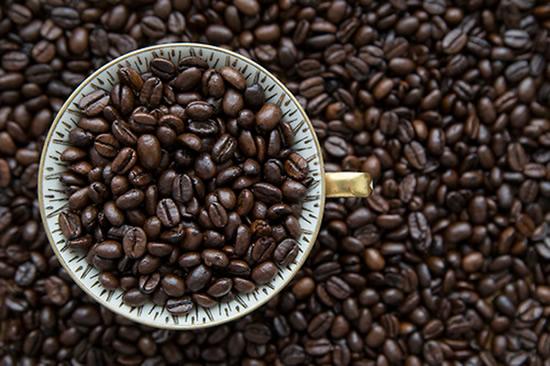
The origin of cat poop coffee, cat poop coffee flavor description
Pay attention to coffee reviews (Weixin Official Accounts vdailycom ) and find a beautiful cafe to open its own small shop cat excrement coffee, produced in Indonesia. In the early 18th century, the Dutch established coffee plantations in the Indonesian colonies of Sumatra and Java, and prohibited the locals from picking and eating their own coffee fruits. Indonesian locals accidentally discovered that civet cats love to eat these coffee fruits
Civet Coffee beans introduce civet Coffee Price death wish Coffee Man shit Coffee Blue Mountain Coffee
Kopi Luwak is made in Indonesia. In the early 18th century, the Dutch established coffee plantations in the Indonesian colonies of Sumatra and Java, and banned locals from picking and eating their own coffee fruits. Indonesian locals inadvertently found that civets love to eat these coffee fruits and will drain the beans intact when defecating. The civet can only pick the most familiar.

Musk Coffee Flavor description characteristics of Grinding degree introduction to the taste of high-quality coffee beans
Kopi Luwak, produced in Indonesia, is one of the most expensive coffee in the world. Indonesia grows a lot of coffee crops, including wild animals called civets, omnivores, pointed mouths and dark gray fur. The favorite food is fresh coffee beans, which are fermented and digested in the body and eventually excreted by cats. Feces are just grains of coffee beans.
Flavor description of cat droppings coffee beans introduction of manor varieties by grinding scale treatment
Kopi Luwak is produced by the feces of Indonesian coconut cats (a kind of civet) as raw materials, so it is called Kopi Luwak. This kind of animal mainly feeds on coffee beans. After completing fermentation in the coconut cat's stomach, it destroys proteins, produces short peptides and more free amino acids, reduces the bitterness of coffee, and then excretes feces as the main raw material. Because coffee beans cannot be digested, they will be excreted.
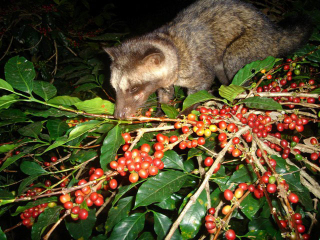
Is Kopi Luwak really cat shit? Description of the flavor and taste of cat poop coffee beans
Professional coffee knowledge exchange more coffee bean information Please pay attention to coffee workshop (Wechat official account cafe_style) Coffee is a kind of crop, the common treatment methods are washing, tanning, honey treatment, etc., the coffee produced by good quality, good flavor, is a very good coffee. But in recent years, there has been a

Civet boutique coffee bean flavor taste manor production area introduction of civet coffee price Indonesian civet
Kopi Luwak is produced by the feces of Indonesian coconut cats (a kind of civet) as raw materials, so it is called Kopi Luwak. This kind of animal mainly feeds on coffee beans. After completing fermentation in the coconut cat's stomach, it destroys proteins, produces short peptides and more free amino acids, reduces the bitterness of coffee, and then excretes feces as the main raw material. Because coffee beans cannot be digested, they will be

Indonesian civet coffee flavor and taste characteristics boutique coffee beans introduction Kopi Luwak
The cat is slender, much larger than a domestic cat and similar in size to a domestic dog. it weighs 6 to 10 kilograms as an adult and is 60 to 80 centimeters long, with a maximum length of 100 centimeters. The head is slightly pointed, the ear is small, the forehead is broad, the snout is slightly protruding, and the third and fourth toes of the forefoot have claws composed of skin flaps. The body hair is brownish gray, with dark brown markings, gray-white lips, and small gray spots around the forehead and eyes. Back from the center to
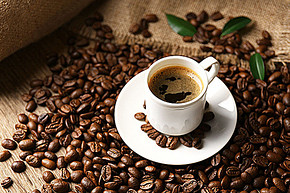
Evaluation of three major coffee brands: Starbucks, Nestl é and Kopi Luwak
Following Cafe (official Wechat account vdailycom) found that Cafe Beautiful opened a small shop of its own. For those who stay up late to work overtime or love to study, the coffee that ensures their energy and energy every day is the right solution. For office workers who work from nine to five, fast and convenient canned coffee drinks are the best choice! In terms of taste, the canned coffee we drank in those years